
If your house feels dusty again just a day or two after cleaning, you are definitely not imagining it.
Some days you wipe the table in the morning and by evening you can already see a thin layer of dust on it again. Frustrating, but there is a reason for it.
The problem is not always that you are not cleaning enough. Dust is a mixture, and it does not come from only one source — outdoor particles, fabric fibres, skin cells, hair, bedding, curtains, carpets, air-conditioning and fine particles that stay suspended in the air all contribute.
That is why a house can look clean in the morning and feel dusty again by the next day. In this guide, I will explain why that happens and share 17 practical ways to reduce dust at home.
Quick Answer: Why Does Dust Come Back So Fast?
- Dust enters from outdoors through doors, windows and small gaps
- Fabrics release fibres continuously
- Skin cells and hair add to household dust
- Air-conditioners can recirculate dust when filters are dirty
- Fine particles can stay airborne for a long time
- Curtains, mattresses, carpets and sofas collect dust and release it again
- Cleaning technique can sometimes move dust around instead of removing it
Why Does Your House Get Dusty So Quickly?
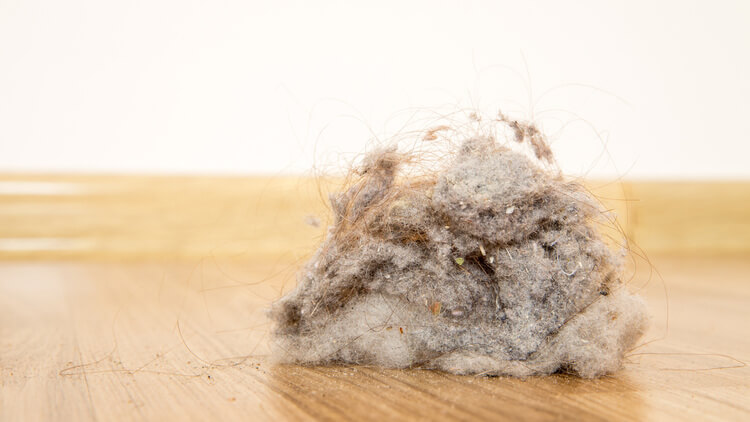
Dust returning quickly usually comes down to a few practical causes. Once you know which one applies to your home, the solution becomes much clearer.
1. Outdoor Dust Keeps Coming In
If your windows or doors are open for most of the day, outdoor particles will keep coming in. Homes near main roads, construction sites or industrial areas get this the most — road and tyre dust is very fine and easy to carry inside.
2. Airborne Dust Takes Time to Settle
Not all dust lands immediately. According to Ajar.com.my, dust can stay suspended in the air for a long time before it settles — around five days. Smaller particles experience more air resistance relative to gravity, so they stay floating longer.
That is why a room can look clean, but you still breathe in dust — and why you sneeze more easily in a dusty space.
3. Curtains, Carpets and Sofas Hold Dust
Fabric is the strongest dust trap in a house. Curtains, carpet, fabric sofas and rugs hold dust, fibres and fine particles, then release some of it back into the room as people move around or when they are disturbed. Old and worn fabric tends to be worse.
4. Bedding and Mattresses Collect Fine Particles
Bedding and mattresses collect skin cells, hair, fibres and fine dust every night, and they shed some of it back into the room. If you rarely wash your bedsheets or clean the mattress, they become a steady source of dust in the bedroom.
5. Dirty Air-Conditioner Filters Recirculate Dust
When an air-conditioner runs in a closed room with dirty filters, it can circulate dust instead of reducing it. Dust collects on the filter, and airflow keeps fine particles moving around the room. Filters that have not been cleaned in months also reduce cooling performance.
6. Fans Can Keep Dust Moving Around
Fan blades collect dust quickly, and when the fan spins, some of it gets thrown back into the air. A dusty ceiling fan or standing fan can keep fine particles circulating instead of letting them settle where you can clean them.
7. Fine Dust and PM2.5 Are Harder to See
Visible dust is only part of the problem. Fine and ultra-fine particles are so small that you cannot see them settling on surfaces, yet they are the part that stays in the air the longest. That is why a closed house can still feel dusty.
Other things that make dust build up faster:
- Open shelves and cabinets instead of closed storage
- Too many items and accessories on open surfaces
- Carpets, rugs and fabric furniture that are old and worn
- Pets living indoors
- Washing bedsheets and curtains rarely
- Door mats that are worn out or missing
- Cleaning techniques that move dust around instead of removing it
- Smoking indoors or burning mosquito coils inside the house
Where Does Household Dust Actually Come From?
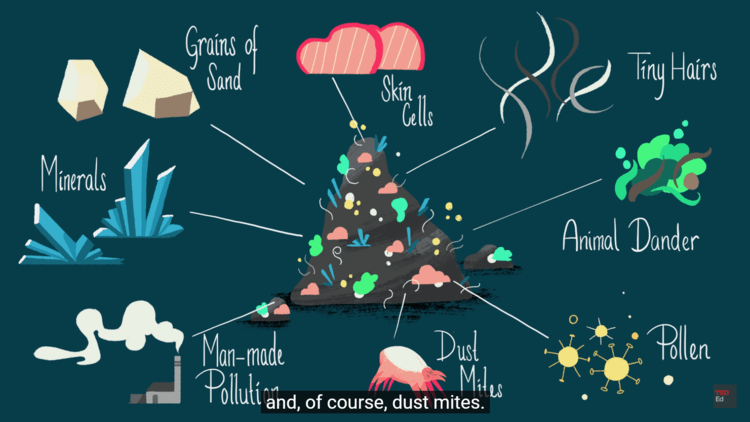
Household dust is made of fine solid particles — very light, and mostly invisible to the naked eye.
There is a common myth that house dust is mostly dead skin cells. That is not quite right. Household dust is a mixture of particles from inside and outside the house, including:
- Dead skin cells
- Fine hair and fibres
- Pet fur and dander
- Pollen
- Air pollution
- Smoke from fires, factories, vehicles and cigarettes
- Minerals
- Sand and soil
- Dust mites
- Clothing fibres
- Furniture and carpet fibres
- General dirt
Dead skin cells, fungi and pet dander also become food for dust mites, which is why they keep multiplying indoors.
Where Does Dust Usually Collect?
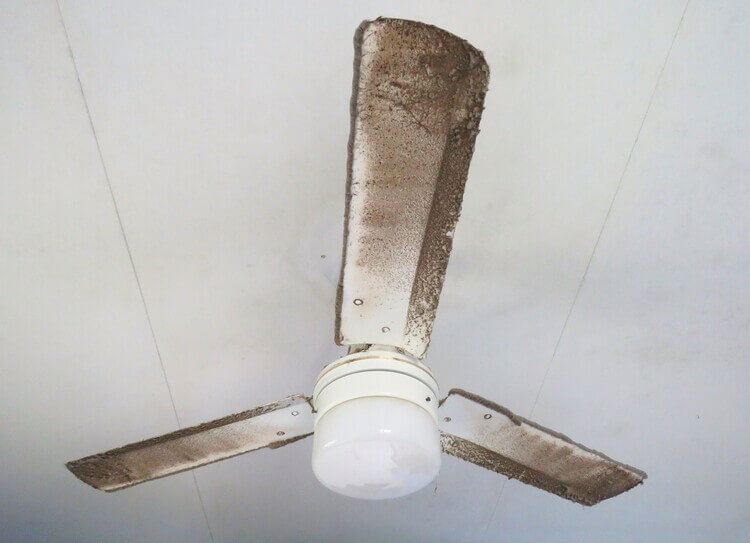
Dust particles pick up small positive and negative charges as they float through the air. Because of that, they tend to stick to charged surfaces — which is why dust builds up and clumps so quickly on:
- Carpets and under rugs
- Fans
- Bookshelves and cabinets
- Mattresses
- Clothing
- Sofas and under sofas
- Cabinets and appliances
- Indoor plants and flower arrangements
- Floors
- Under the bed
What Type of Dust Problem Do You Have?
Check the list below. If any of these sound like your home, that is likely where your dust is coming from:
🪟 Dust near windows and doors
Likely causes: outdoor dust, road traffic, windows left open and gaps around doors.
🛏️ Dust mainly in the bedroom
Likely causes: bedding, fabric fibres, mattresses, curtains and air-conditioning.
🧹 Dust returns quickly after cleaning
Likely causes: airborne particles, dry dusting, fans and dirty filters.
🚪 Fine dust even with windows closed
Likely causes: fine airborne particles, indoor fibres, AC recirculation and small gaps.
What About Fine Dust and PM2.5?
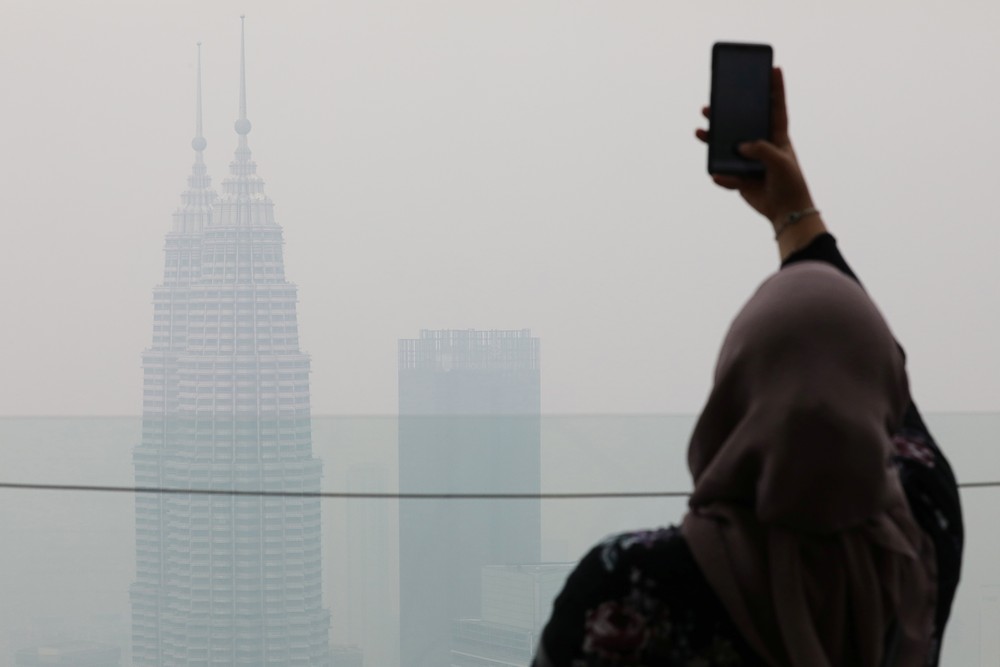
Most of us worry about the dust we can see and touch. The bigger concern is the dust we cannot see.
Fine dust, or PM2.5 (particulate matter 2.5), refers to very fine particles suspended in the air that are 2.5 micrometres or smaller. They are not visible to the naked eye and can only be observed under an electron microscope.
Fine dust commonly comes from outdoor air pollution such as factory smoke, vehicle emissions and soot. It can also be produced indoors — cooking and frying, cooking gas, burning candles, cigarettes and chemical sprays such as insecticide or mosquito repellent.
One important distinction: not all visible household dust is PM2.5. Visible dust is a mixture of larger particles — fibres, skin cells, soil and dirt. PM2.5 refers specifically to the very fine fraction that stays airborne. Both matter, but they need different solutions.
Source: Getawair — fine dust (PM2.5).
House Dust vs Dust Mites — They Are Not the Same Thing
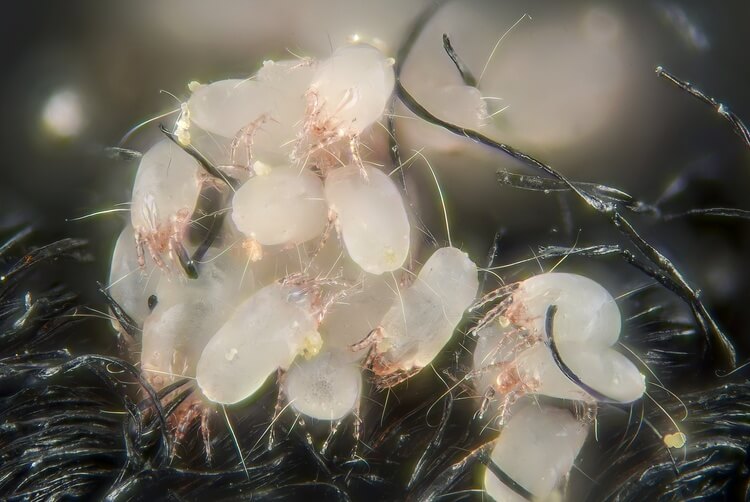
Dust mites are microscopic organisms, much smaller than an ant, that live indoors. They commonly live in mattresses, sofas, upholstered furniture, curtains and carpets.
Dust and dust mites are related topics, but they are not the same thing. Dust is the mixture of particles in your home; dust mites are tiny organisms that feed on some of the organic material inside that dust, such as skin cells and dander. Seeing a layer of dust does not mean you are seeing dust mites — they are too small to see.
Source: housedustmite.com.
Who Notices Dust More?
Some people notice household dust more than others. If you or someone at home has sensitive airways or allergies, a dusty room may be felt more quickly — common signs include sneezing, a runny nose, itchy or watery eyes, itchy skin and coughing.
This article is about reducing dust at home, not medical advice. If someone in the house has ongoing or worsening symptoms, it is best to check with a doctor.
17 Practical Ways to Reduce Dust at Home
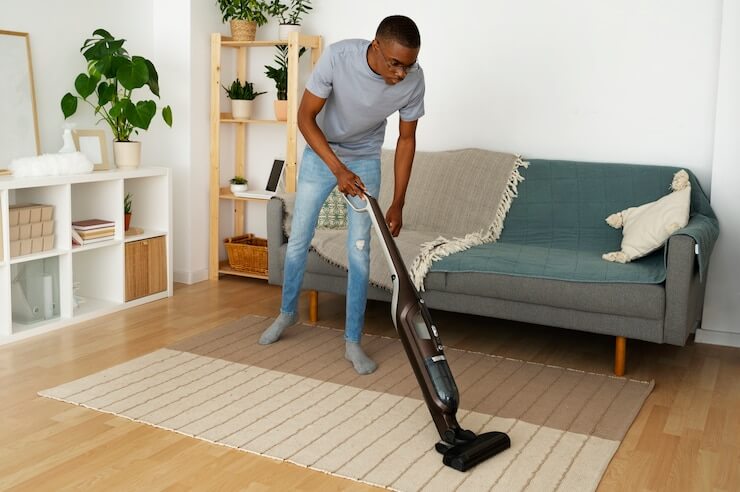
To really reduce dust, you have to clean consistently — not only when the mood strikes. There is no magic shortcut. These are the 17 things I use and recommend:
- Vacuum instead of sweeping where possible — sweeping lifts fine dust back into the air. A vacuum removes it from the floor instead of moving it around.
- Use a vacuum with proper filtration — a vacuum with a HEPA-type filter traps fine dust rather than blowing it back out into the room.
- Wipe surfaces with a damp microfibre cloth — use a slightly damp cloth for tables, shelves and fan blades. A dry feather duster mostly just relocates dust.
- Declutter — fewer items, less dust. Clear out old fabric items, clothing and furniture that trap dust.
- Use closed shelves or cabinets — so dust does not settle on books and small items.
- Use dust-trapping door mats — and replace old, worn-out mats that no longer hold dirt.
- Wash bedsheets weekly — to reduce dust, hair, fibres, skin cells and dust mite food sources.
- Keep windows closed when outdoor air is dusty — especially if you live near a main road, a factory or an area with open burning.
- Reduce carpets — carpet is one of the strongest dust traps in a home.
- Clean carpets and sofas regularly — vacuum and clean fabric on schedule instead of waiting until it smells.
- Clean your mattress — vacuum it more often and consider a yearly mattress cleaning service.
- Clean fan blades — dust sticks to fan blades quickly and gets thrown back into the room when the fan spins.
- Clean air-conditioner filters every 2–4 weeks — a dirty filter not only recirculates dust, it also makes the aircond less cold.
- Use a lint roller — to remove dust and fur stuck to clothing and fabric furniture.
- Wash curtains regularly — curtains are one of the most forgotten dust collectors in a house.
- Clean under beds and sofas — dust accumulates there and those areas are rarely touched.
- Use an air purifier — for the fine dust that is still floating in the air after you have done the cleaning above.
If Your House Is Very Dusty, Start With These 5 Things First
You do not have to do all 17 in one day. Start with these 5:
- Vacuum floors and fabric surfaces consistently
- Wash bedding and clean your curtains
- Clean air-conditioner filters and fan blades
- Reduce outdoor dust coming in through windows and doors
- Use suitable air filtration if fine airborne dust is still a problem
If you want to know which air purifier model suits your space, you can browse the CUCKOO air purifier range first.
Can an Air Purifier Reduce Dust?
Yes — but with one important limitation. An air purifier is not a vacuum cleaner.
An air purifier mainly helps with airborne particles that pass through the machine. It does not vacuum dust off your floor, wipe your shelves or clean your sofas. So if most of your dust problem is already sitting on surfaces, normal cleaning still has to happen.
Where an air purifier becomes genuinely useful is when fine dust keeps circulating in the air — especially in rooms that stay closed most of the time. That includes fine dust, PM2.5, pollen, pet dander, smoke particles and some airborne allergens.
That is why I always say the same thing: an air purifier is not a replacement for vacuuming. It is a complement to it.
Can an Air Purifier Help With This?
| Problem | Can an air purifier help? |
|---|---|
| Airborne fine dust | Yes |
| PM2.5 | Yes, with suitable filtration |
| Dust already settled on furniture | No — it needs wiping |
| Dust under the bed or sofa | No — it needs vacuuming |
| Dirty curtains or carpet | No — they need cleaning |
| Particles circulating in a closed room | Yes |
| Outdoor dust entering through open windows | Partly — source control is still needed |
Choosing an Air Purifier for Dust
If you have decided an air purifier makes sense for your situation, these are the practical things worth checking:
- Filtration type — look for high-efficiency (HEPA-type) filtration for fine airborne particles
- Room coverage — match the unit to the space you want to treat
- Sensor and indicator — a dust or PM sensor shows you when air quality changes
- Filter replacement and servicing — performance drops if filters are not changed on schedule
- Noise level — important if the unit runs in a bedroom at night
Coverage matters more than looks. As a rough guide:
- Small or medium room — around 400 to 600 square feet
- Normal living room — around 600 to 710 square feet
- Large or open-plan space — 700 square feet and above
A good purifier in the wrong room size may not perform as expected. Put a small unit in a large space and it works harder while taking much longer to make a difference. Put an oversized unit in a small room and you are paying for capacity you do not need.
CUCKOO Air Purifier Options for Dust & Fine Particles
For most Malaysian homes — a normal living room, an apartment or a condo — the L Model is one of the more balanced options, and it is the one I usually suggest first.
My recommendation
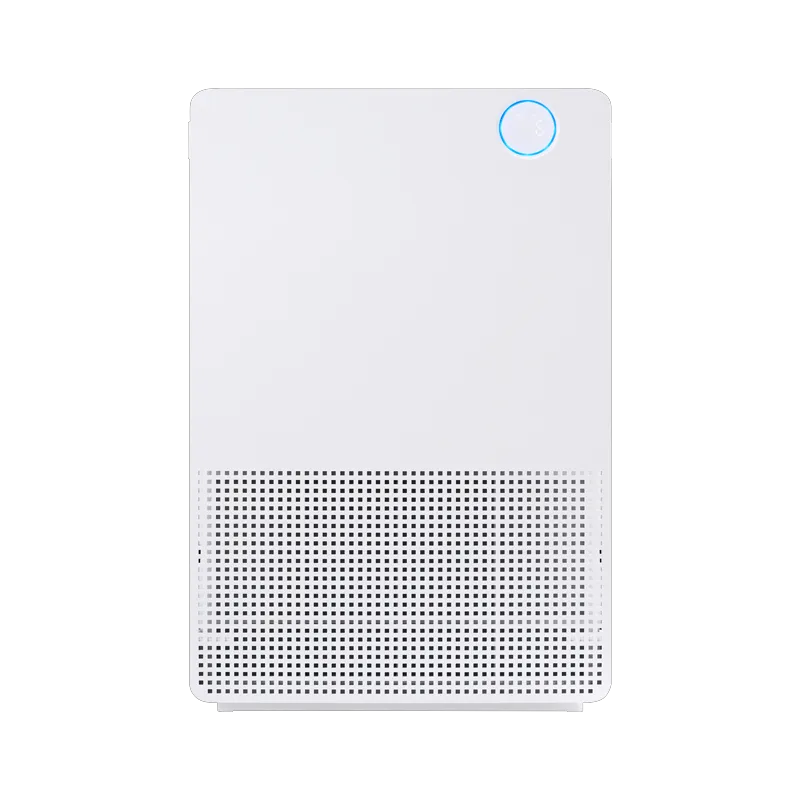
CUCKOO L Model
Flat rate60 months
- Ultra-Deo HEPA+ H13 Filter
- Illumination & Dust Sensor
- 8 Color Air Quality Indicator
Penapis udara popular untuk ruang keluarga.
If your space is smaller or your budget is tighter, other models can make more sense. Here is a quick reference:
| What you need | Suggestion |
|---|---|
| Medium room | R Model |
| Normal living room | L Model |
| Large space | K Model / D Model |
| Very large home or open-plan | U Model |
| Humidifier function | C+ Humidifier |
Still unsure? You can compare all CUCKOO air purifier models first.
Related reading: if you are dealing with haze season, the air purifier guide for haze covers filtration in more detail. For air-conditioner maintenance and filter habits, see how to choose an air conditioner for your home.
Frequently Asked Questions
Why does my house get dusty so quickly?
Usually it is not one single cause. Outdoor particles come in through doors and windows, fabrics shed fibres, bedding and mattresses collect fine particles, and dirty air-conditioner filters can keep recirculating dust around the room. Fine airborne dust also stays suspended much longer than most people expect before it finally settles.
Why is my bedroom always dusty?
Bedrooms usually contain the most fabric in a house — bedding, pillows, curtains and sometimes carpet. Bedding constantly sheds fibres and skin cells, and when an air-conditioner circulates air in a closed room, fine dust keeps moving until it lands on surfaces again.
Does opening windows make the house dustier?
It can, especially when the outdoor air carries road dust, construction dust or haze. On days when the outside air is clean, ventilation is good. If you live near a main road or it is haze season, keeping windows closed helps more.
Is sweeping or vacuuming better for dust?
Vacuuming generally removes dust more effectively. Dry sweeping can lift fine particles back into the air, and they settle on your surfaces again a few hours later.
How often should I clean my air-conditioner filter?
A practical starting point is every 2–4 weeks, depending on how often you use the unit and how dusty your area is. For your specific model, always follow the manufacturer's instructions.
Does an air purifier remove household dust?
It can reduce dust and particles circulating in the air, but it does not clean surfaces. Dust that has already settled on tables, floors and sofas still needs wiping or vacuuming.
Is HEPA good for dust?
High-efficiency (HEPA-type) filtration is designed to capture fine airborne particles. How well it performs in real life depends on the purifier being correctly sized for the room and the filter being replaced or serviced on schedule.
What size air purifier do I need?
Match the purifier coverage to the area you want to treat — a bedroom, a normal living room or a large open-plan space. A unit that is too small for the room has to work harder and takes much longer to make a difference.