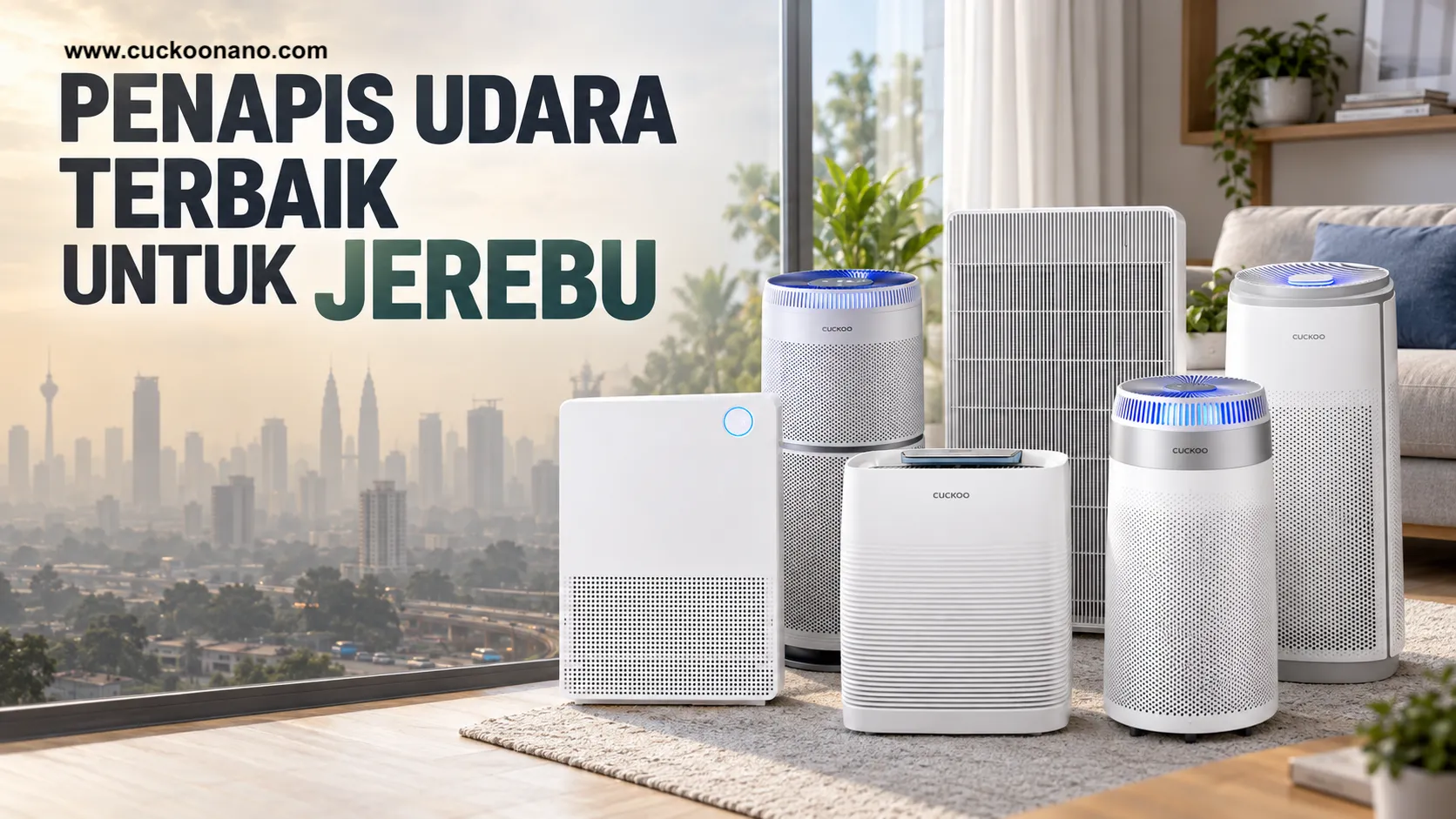
During haze, fine airborne particles from smoke, dust and other pollutants can make their way indoors. This is why many households look for an air purifier that can help manage indoor air quality when outdoor conditions are poor.
Not all air purifiers are the same. For haze, key factors to consider include HEPA filtration, PM2.5 monitoring, room coverage and practical considerations such as servicing and filter replacement. In this guide, we cover the CUCKOO air purifiers best suited to haze and answer which model is the best overall.
We compare six CUCKOO air purifiers by filter, sensor, coverage and monthly price. We start with our best overall pick, then go into the full comparison.
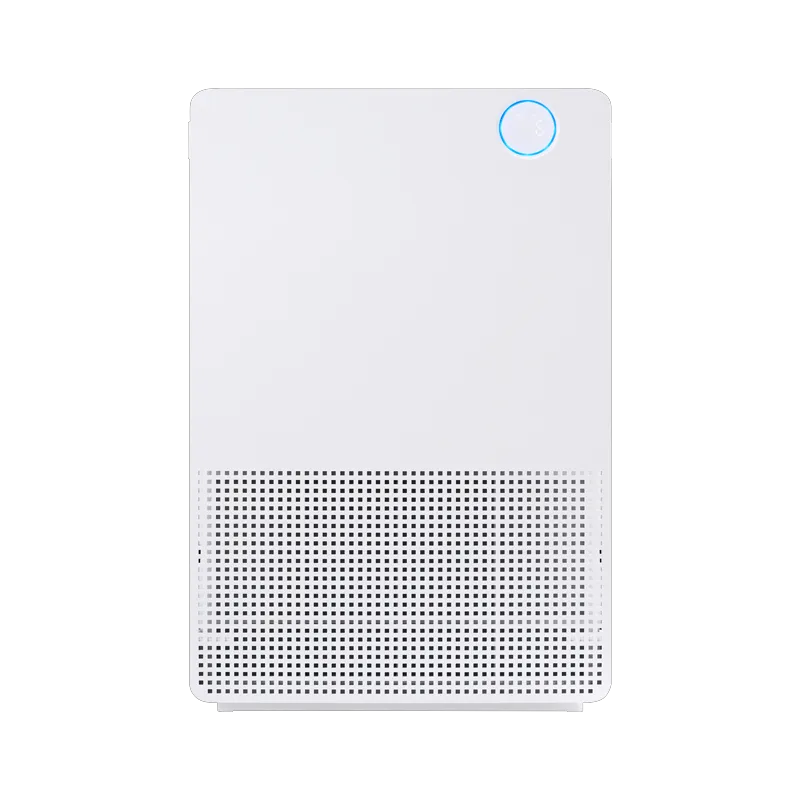
OUR TOP PICK FOR HAZE
CUCKOO L Model
Why is the L Model our top pick for haze?
It offers a practical balance for most homes: a relatively compact size, coverage up to 600 ft² and a reasonable monthly price. It also combines Ultra-Deo HEPA+ H13 filtration, PM2.5 monitoring and Plasma Ioniser in one unit.
From RM105/month
CUCKOO Air Purifier Comparison for Haze
When choosing an air purifier for haze, look at the overall package rather than price alone. The table below compares six CUCKOO air purifiers at a glance.
| Model | Coverage | Filter | Sensor / Monitoring | Monthly Price | Best For |
|---|---|---|---|---|---|
| L Model | 600 ft² | Ultra-Deo HEPA+ H13 | PM2.5 (8-colour LED) | RM105 | Medium-sized living spaces · Best overall |
| U Model | 1161 ft² | True HEPA+ H14 | Fine Dust & TVOC | RM143 | Large rooms / large living areas |
| R Model | 570 ft² | True HEPA H13 | Dust Sensor | RM77 | Budget · everyday spaces |
| K Model | 710 ft² | Ultra-Deo HEPA 13 | Fine Dust Sensor | RM94 | Bedrooms & living areas · best value |
| C Humidifier | 402.75 ft² | Ultra PM2.5 Filter | Fine Dust + humidification | RM121 | Medium-sized rooms · built-in humidifier |
| D Model | 710 ft² | Ultra-Deo HEPA H14 | PM1.0 Fine Dust | RM127 | Premium filtration |
*Monthly prices shown are based on an estimated 5-year (60-month) rental plan. Promotional rates for selected products are subject to stock availability, location and current terms. Check with an agent for the latest rate.
Best CUCKOO Air Purifiers by Need
The best model depends on your room size, budget and priorities. Here's where each CUCKOO air purifier stands out.
CUCKOO L Model
A well-balanced choice for most homes, combining a relatively compact design with 600 ft² coverage, Ultra-Deo HEPA+ H13 filtration, PM2.5 monitoring and Plasma Ioniser.
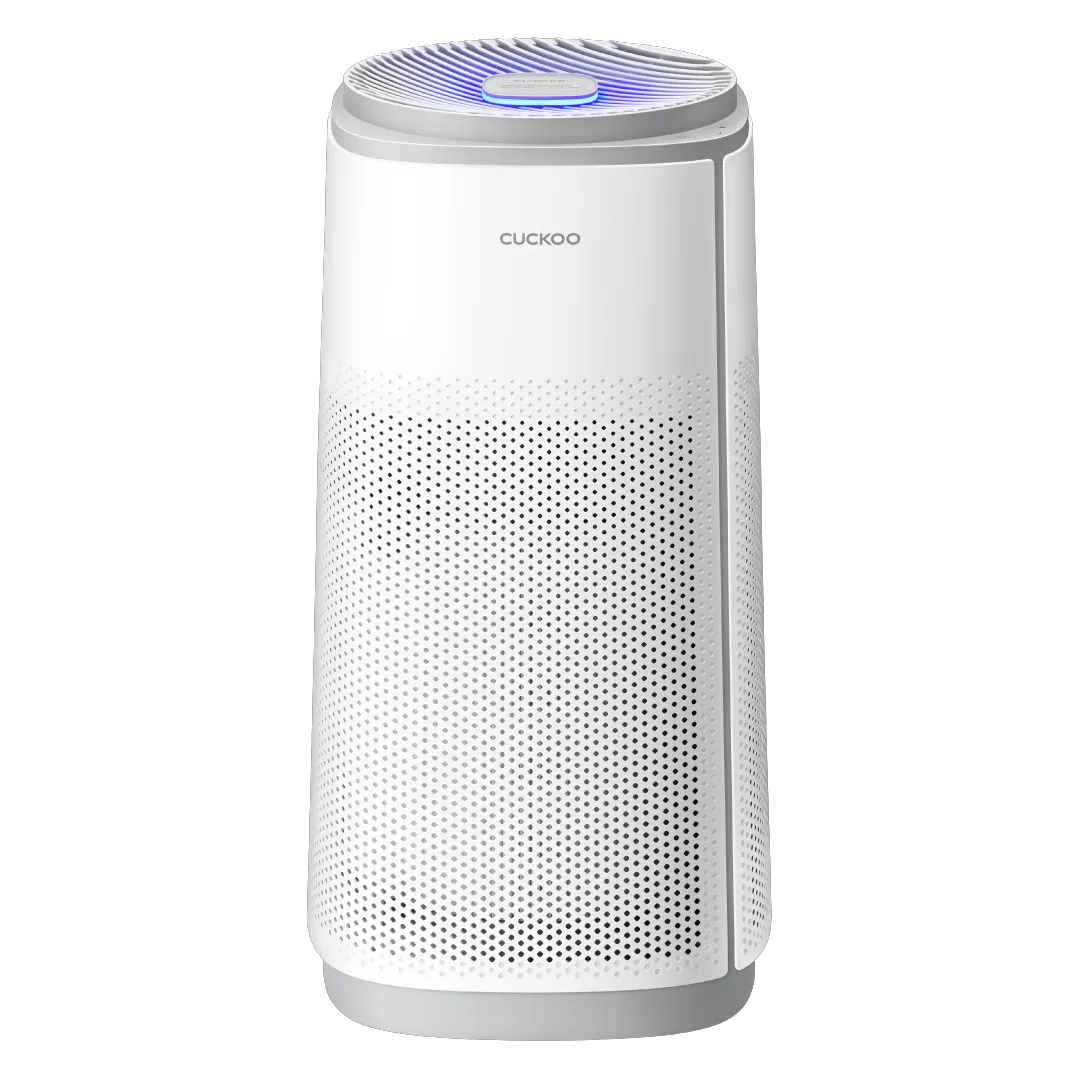
CUCKOO K Model
For buyers focused on value, the K Model offers an attractive combination of around RM94/month, coverage up to 710 ft², 360° air purification and an Ultra-Deo HEPA 13 filter. It is suitable for bedrooms and family living spaces.
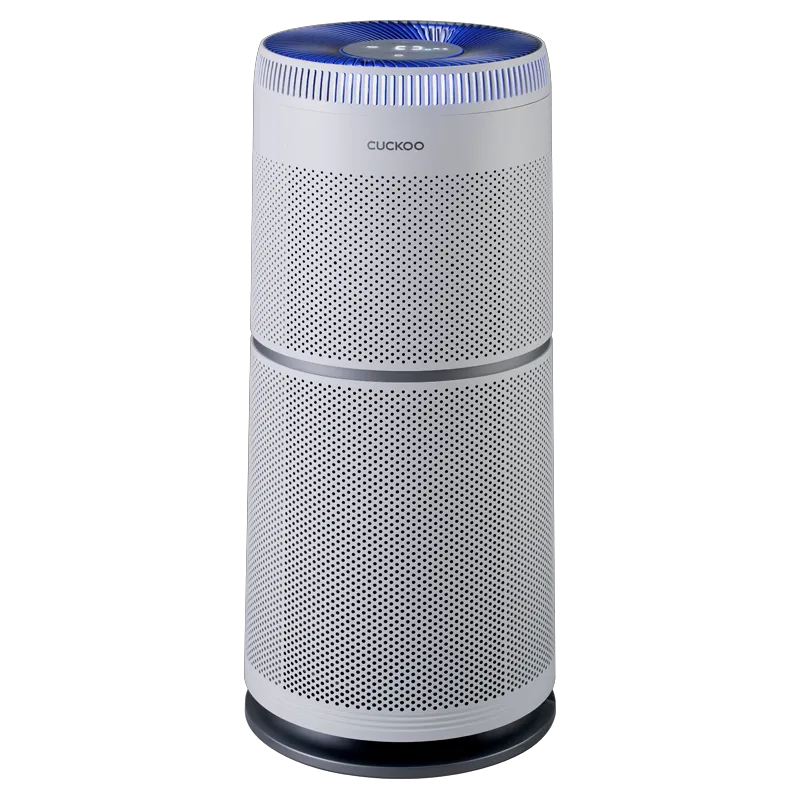
CUCKOO U Model
The widest coverage in this comparison, making it suitable for larger living rooms and open-plan spaces.
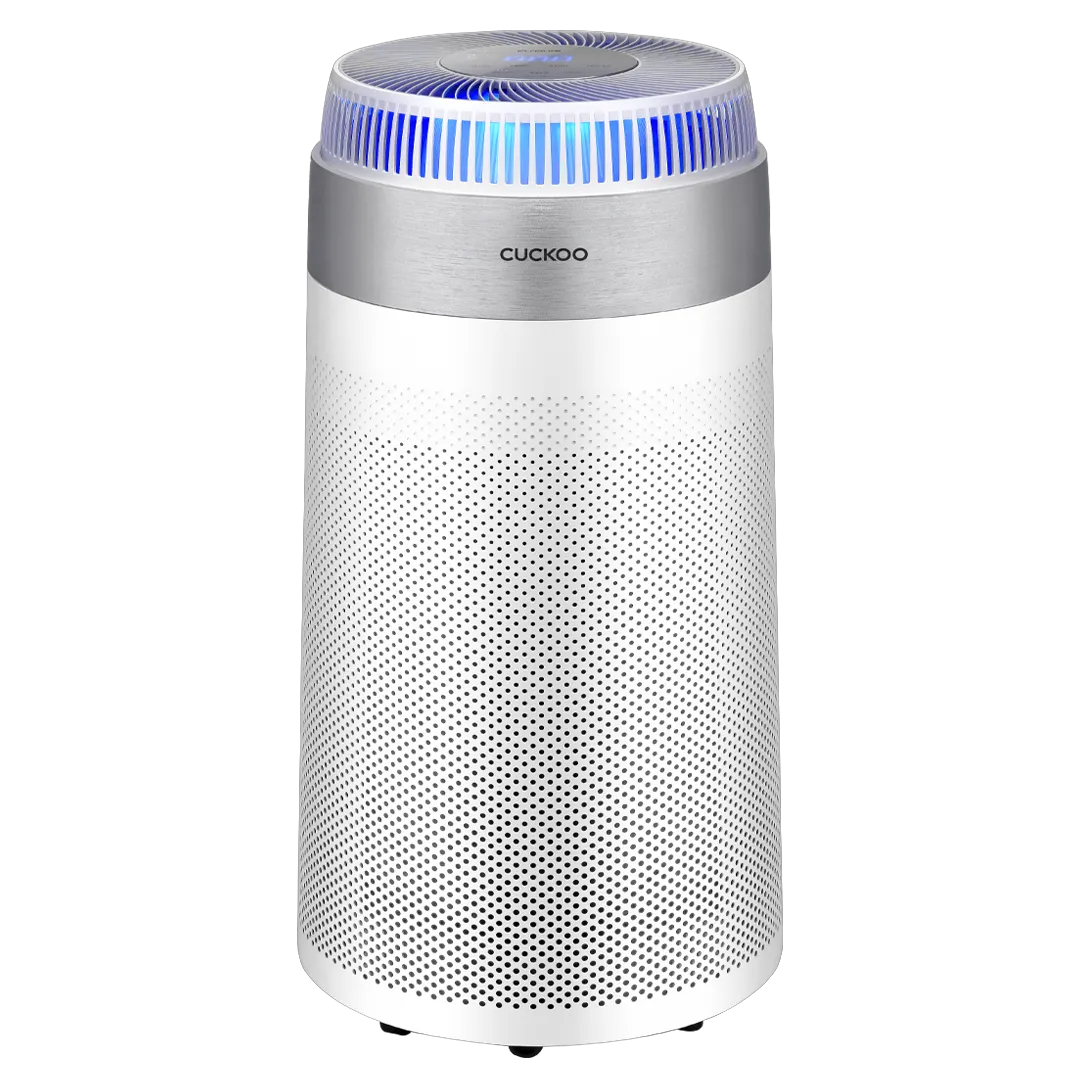
CUCKOO D Model
Premium filtration with Ultra-Deo HEPA H14, PM1.0 monitoring and Plasma Ioniser.
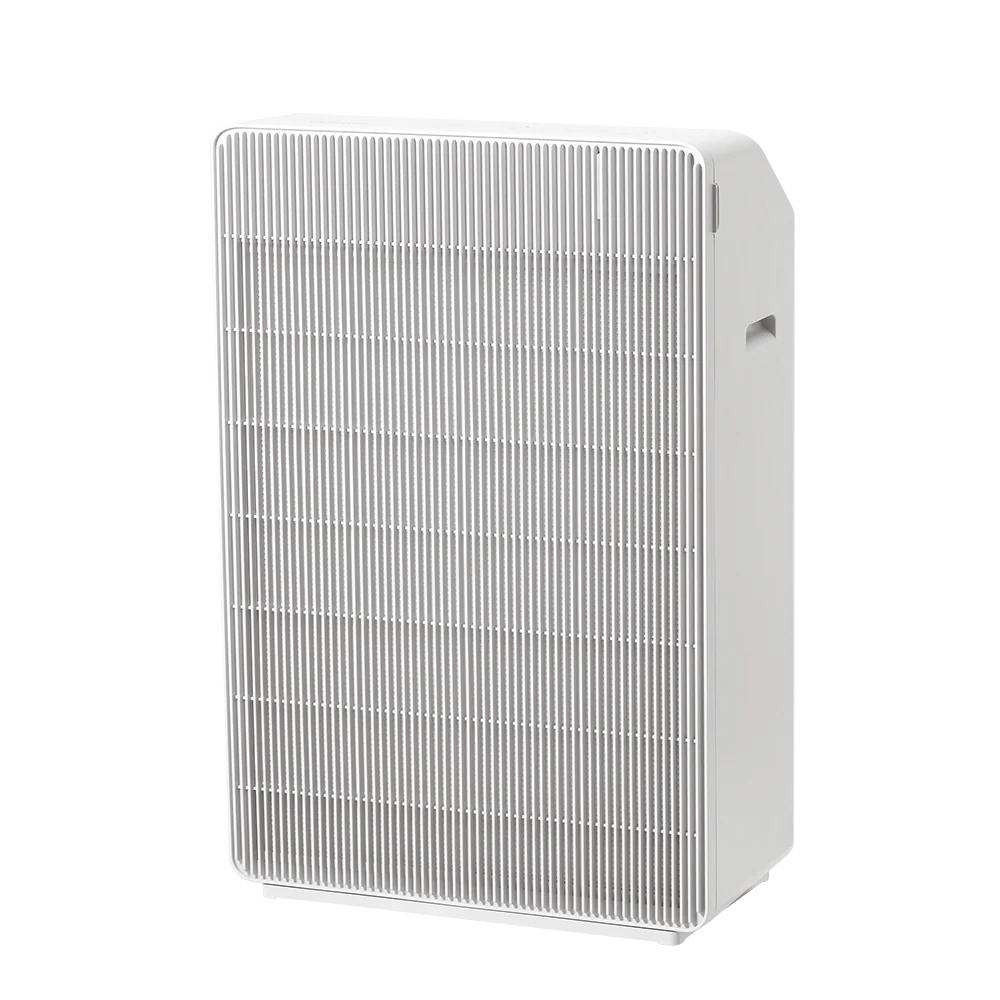
CUCKOO R Model
A budget-friendly option with True HEPA H13 filtration for smaller everyday living spaces.
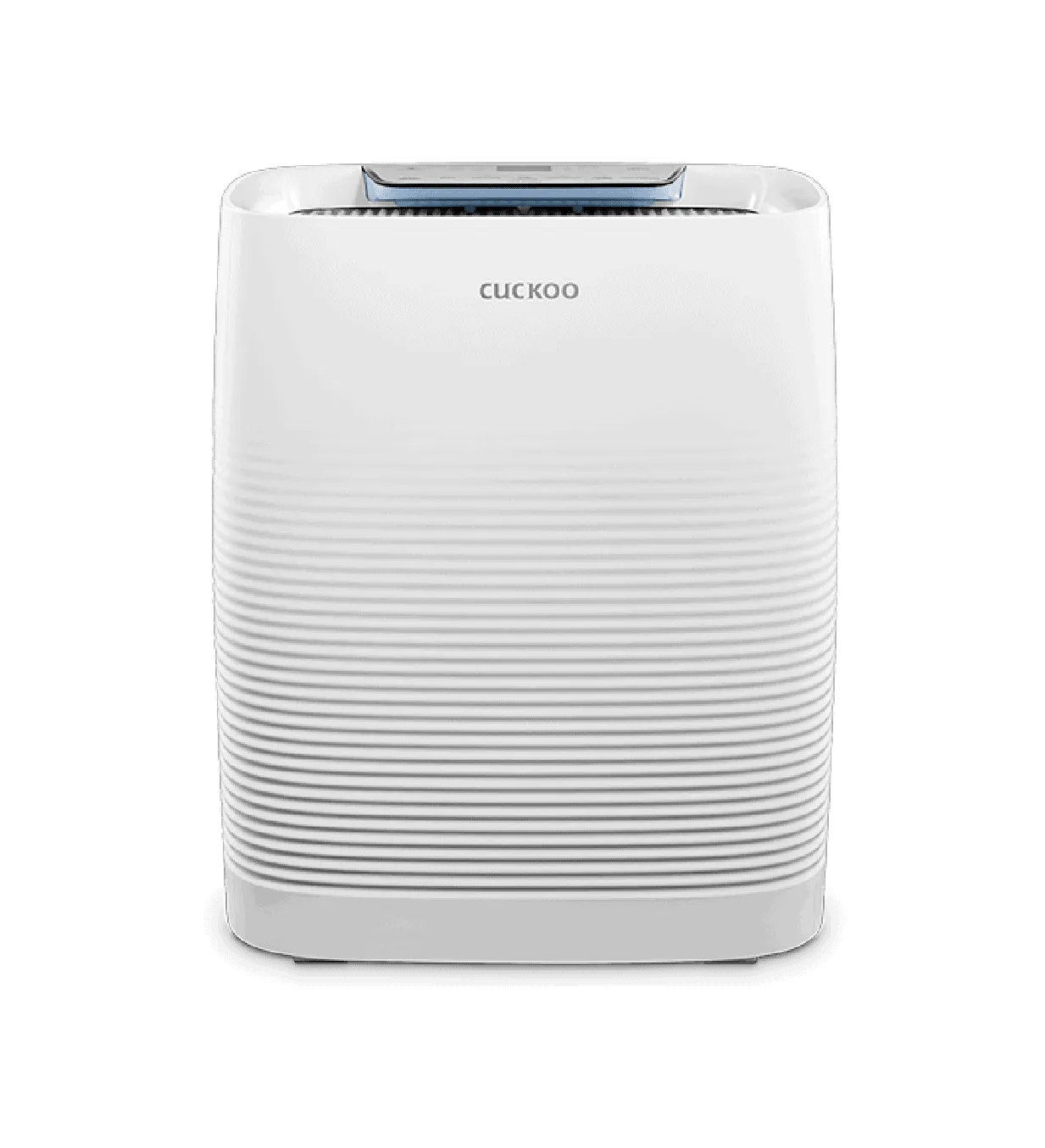
CUCKOO C Humidifier
An air purifier with a built-in humidifier for medium-sized rooms where added humidity is preferred.
Still unsure which model suits you? See our CUCKOO air purifier price guide for a simpler price comparison, or chat with our agent on WhatsApp.
How to Choose an Air Purifier for Haze
To choose the best air purifier for haze, focus on a few basics so the unit you pick really fits your home and your needs.
1. Look for HEPA Filtration
Haze contains fine airborne particles. HEPA filters are designed to capture fine particles suspended in the air, including fine dust and smoke particles. Most CUCKOO models in this comparison use H13-grade HEPA filtration or above.
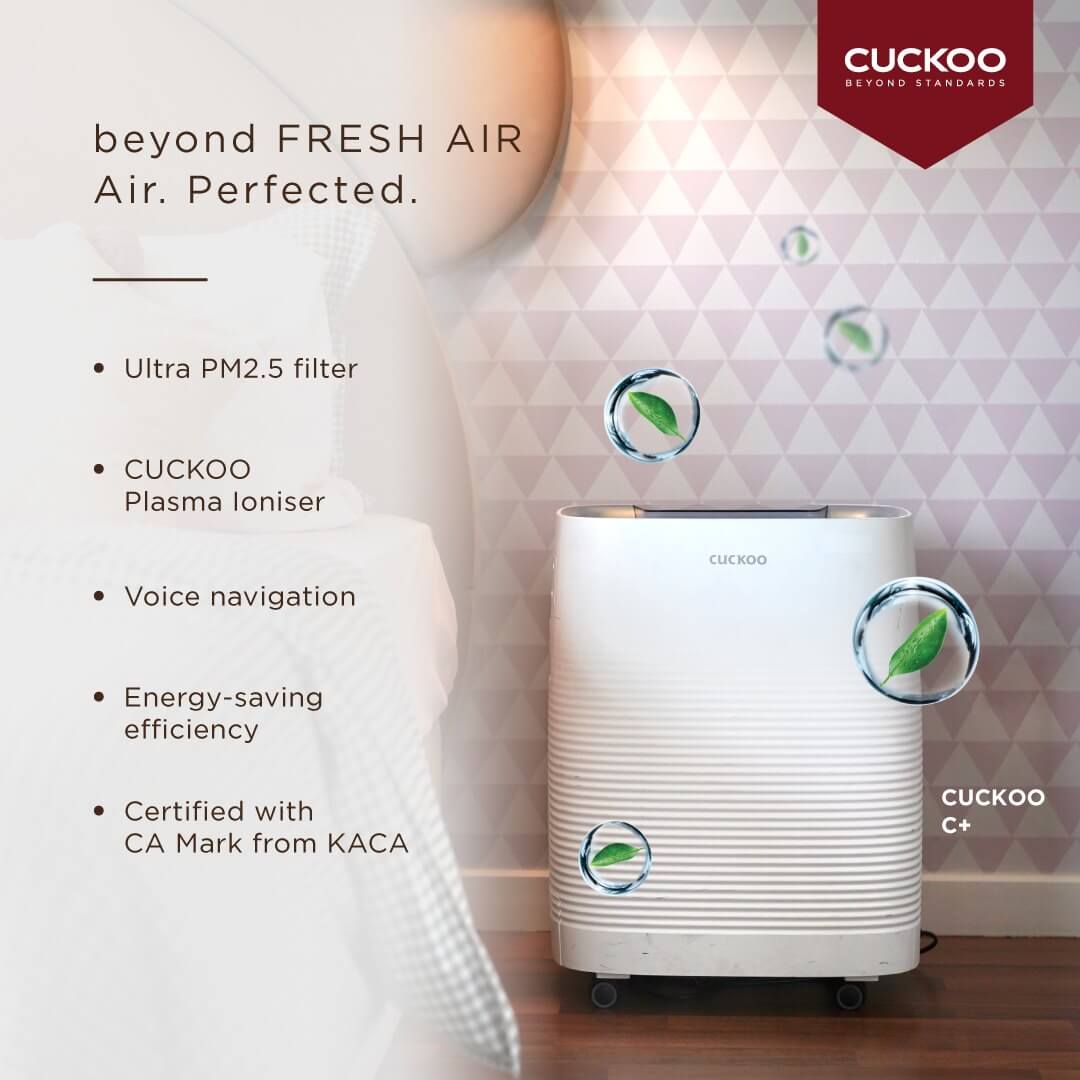
2. Understand PM2.5
PM2.5 refers to very fine airborne particles measuring 2.5 micrometres or smaller and is commonly associated with air pollution and haze. Because these particles can remain suspended in the air for long periods, PM2.5 monitoring can be useful when managing indoor air quality. Models with a PM2.5 indicator allow you to monitor changes in air quality visually through the colour indicator.
3. Match Coverage to Your Room Size
Your air purifier should be suitable for the size of the room. A more expensive model is not automatically a better choice for a smaller space. Compare the unit's recommended coverage in ft² with the room where you plan to use it so the air can be filtered effectively.
4. Consider Air-Quality Sensors
Sensors and indicators help you notice changes in indoor air quality — for example, after opening a door or while cooking — without relying purely on guesswork.
5. Consider Servicing & Filter Replacement
Filters need to be maintained and replaced at the appropriate intervals to remain effective over time. Before choosing a model, check the servicing arrangement and filter-replacement costs or inclusions so there are no surprises later.
A Practical Combination for Haze
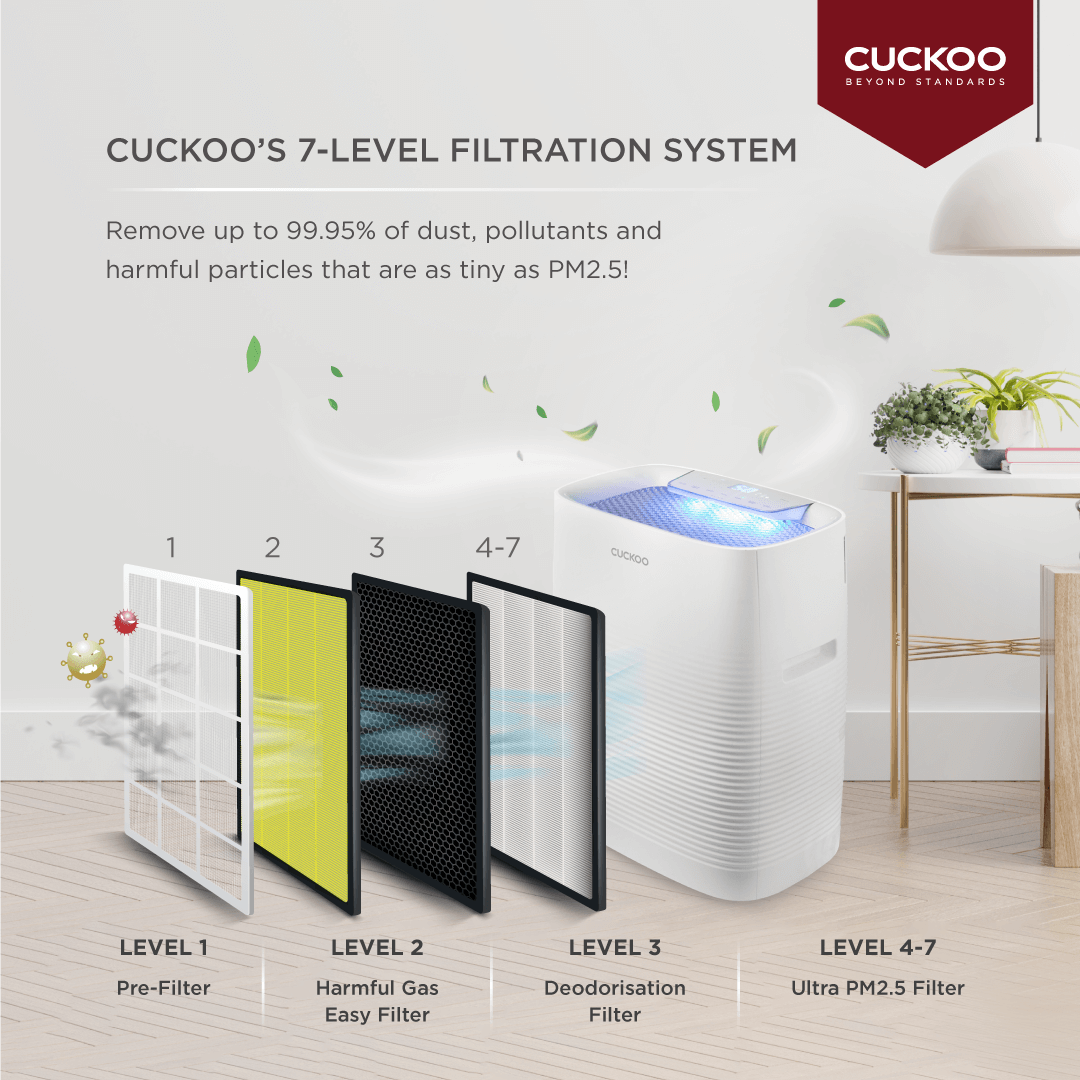
On a model like the L Model, three features work together in one system: an Ultra-Deo HEPA+ H13 filter to capture fine particles, a PM2.5 indicator to monitor indoor air quality, and a Plasma Ioniser as an additional part of the unit's overall air-purification system. It is part of the purification system — not a medical treatment.
Why an Air Purifier Can Help During Haze
When outdoor air quality is poor, an air purifier can be a practical part of managing indoor air quality. It may help reduce the concentration of fine airborne particles indoors, but it is not a substitute for medical advice.
- Filters fine particles: HEPA filters are designed to capture fine particles such as dust, smoke and allergens suspended in the air inside your home.
- Helps reduce smoke-related particles and unpleasant odours: Some CUCKOO models also include deodorisation features that help reduce unpleasant indoor odours.
- Monitors indoor air quality: Sensors and colour indicators help you see changes in air quality in the room in real time.
- Makes indoor air-quality management more practical: With windows closed when outdoor air is poor, an air purifier helps keep the indoor environment more comfortable to live in.
It is important to understand: an air purifier is one part of managing indoor air quality. It is not a medical device and should not be treated as a substitute for professional medical advice.
What to Do During Haze
Besides using an air purifier, here are practical steps that can help when air quality is poor:
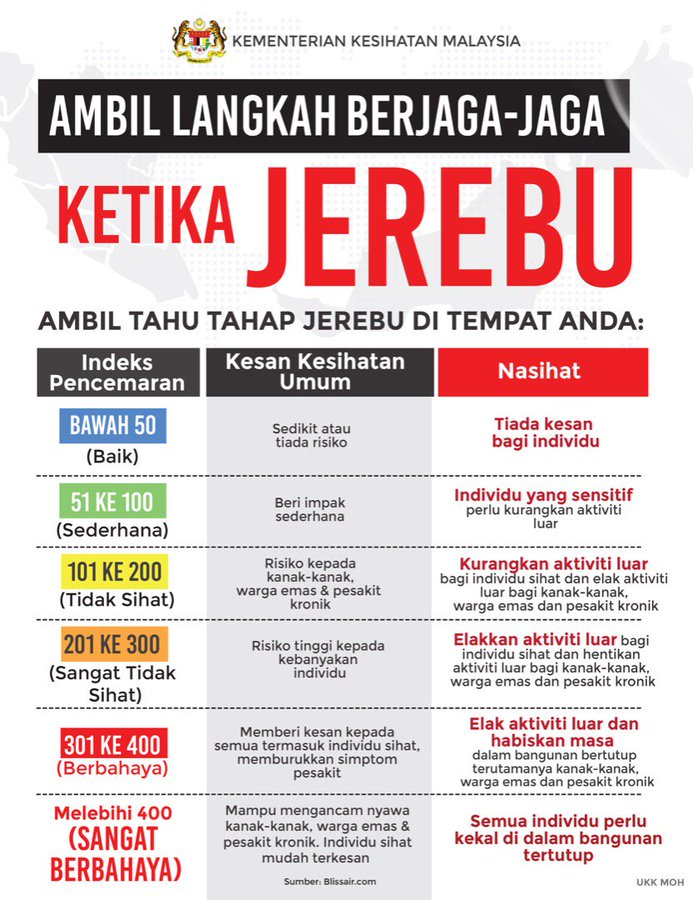
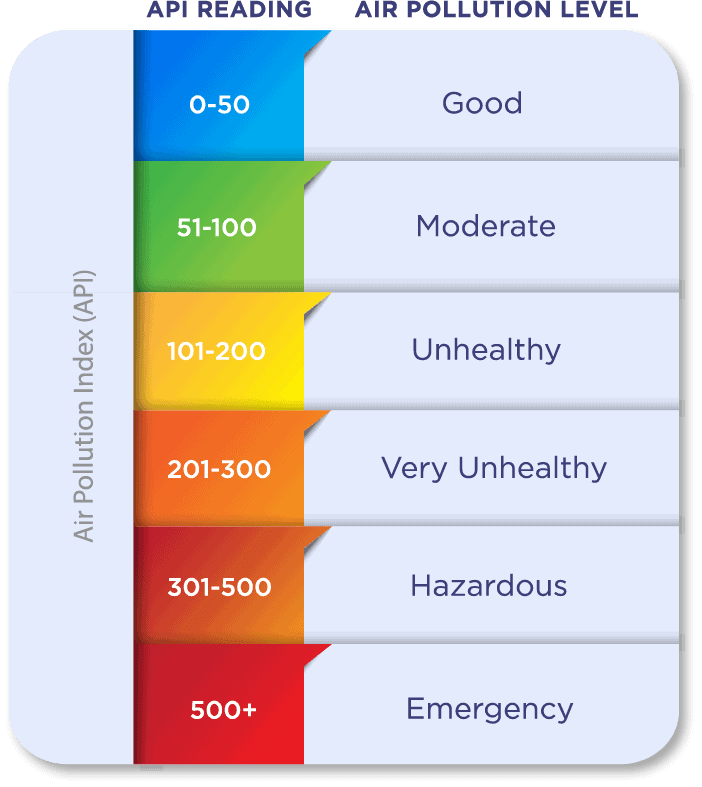
- Check official air-quality readings through APIMS (Department of Environment Malaysia).
- Reduce outdoor activity when air quality is poor.
- Keep windows and doors closed where appropriate to reduce outdoor pollution entering the home.
- Use an appropriately sized air purifier indoors.
- Wear a suitable mask when you need to be outdoors.
- Avoid smoking indoors.
- Seek medical advice if you experience concerning symptoms.
Haze Explained: A Quick Overview
Haze occurs when fine pollutants accumulate in the air at high concentrations, reducing visibility and affecting air quality. Sources can include smoke from fires, agricultural burning, vehicle emissions and industrial emissions, depending on local conditions.
Those more easily affected include children, older adults, pregnant women, people who work outdoors and anyone with respiratory conditions such as asthma. When air quality is poor, the most important step is to limit exposure to polluted air.
FAQs About Air Purifiers & Haze
Can an air purifier help during haze?+
Yes. An air purifier with a HEPA filter can help reduce the concentration of fine airborne particles indoors. It works best when windows and doors are closed and the unit is placed in a space that matches its recommended coverage.
Is HEPA H13 suitable for haze?+
HEPA H13 filters are designed to capture very fine particles, including fine dust and smoke particles often associated with air pollution. Models such as the L Model (HEPA+ H13), K Model and R Model use H13-grade filters or above.
What is PM2.5 and why does it matter?+
PM2.5 refers to very fine particles measuring 2.5 micrometres or smaller that can stay suspended in the air for a long time. It is commonly associated with air pollution and haze. Models with a PM2.5 indicator let you see indoor air quality visually through the colour indicator.
Should I keep my windows closed when using an air purifier?+
Yes, ideally. Keeping windows and doors closed helps reduce outdoor pollution entering the home so the air purifier can work more effectively.
What air-purifier coverage do I need?+
Match the unit's coverage to your room size. For example, the L Model covers 600 ft², the K Model 710 ft² and the U Model up to 1,161 ft². For smaller rooms, a model with lower coverage is enough.
Which CUCKOO model is suitable for a living room?+
It depends on the size of the living room. For a medium-sized living room, the L Model or K Model is suitable. For a large or open-plan living area, the U Model with coverage up to 1,161 ft² is a better fit.
Which CUCKOO air purifier is the cheapest?+
The R Model is the budget-friendly option at around RM77/month while still offering a True HEPA H13 filter. Promotional rates for selected products are subject to current terms — check with an agent for the latest rate.
What is the difference between the L, K, U and D Models?+
The main differences are coverage, filter grade and sensor level. The L Model is well-balanced for home use, the K Model offers good value with 710 ft² coverage, the U Model has the widest coverage (1,161 ft²) with HEPA+ H14, while the D Model offers premium HEPA H14 filtration with PM1.0 monitoring. See the comparison table above for full details.